Investing in Punta Cana in 2026
A practical guide for buyers and investors
Buying property in Punta Cana can be an investment, a future home, a vacation property or a combination of all three. But not every property works the same way, and not every project that looks attractive on paper is necessarily a good investment.
Before you buy, the most important thing is to define what you expect from the property, what your real budget is and when you plan to use it.
Why invest in Punta Cana?
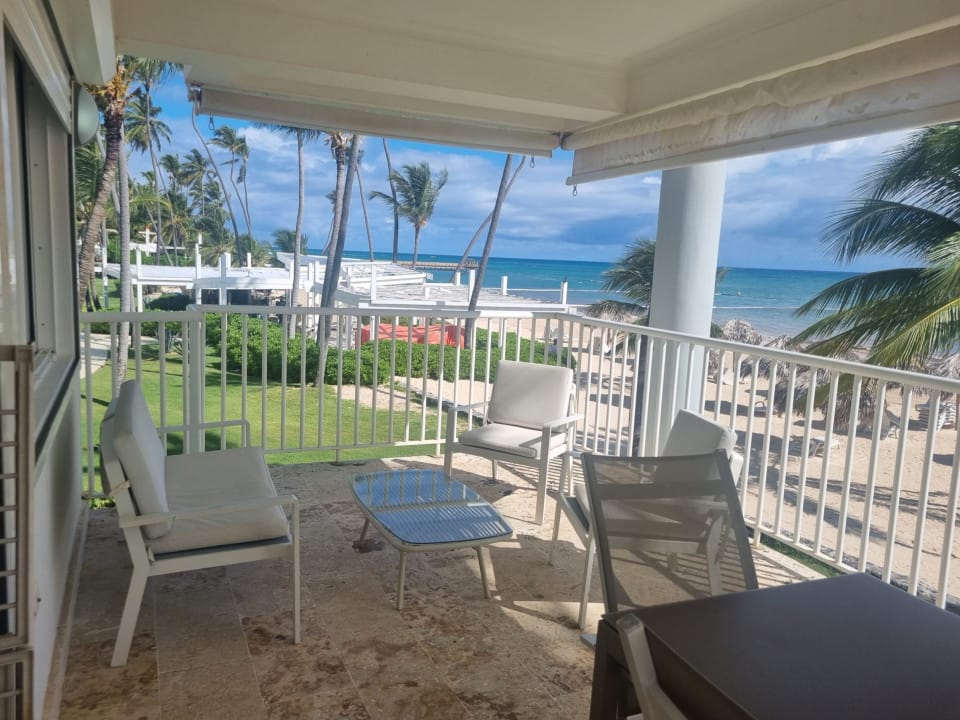
Punta Cana continues to grow as one of the most active real estate markets in the Dominican Republic. Beyond tourism growth, residential, commercial and service offerings have expanded in recent years, creating communities where many people don't just vacation, but also live, work, retire or spend several months a year.
For international buyers, another key point is that foreigners can buy property in the Dominican Republic without being Dominican residents. The buying process is essentially the same for locals and foreigners.
First: define why you're buying
Before looking at projects, it helps to answer one question: what will be the main purpose of your property?
To generate income
If your priority is vacation rentals or long-term rentals, you should look at factors such as:
- rental demand in the area;
- the community's rules on short-term rentals;
- maintenance fees;
- property management;
- furnishings;
- the features that set the unit apart from other available properties.
A property with an attractive price isn't always the one that delivers the best return.
For personal use or retirement
If you plan to use it several months a year or move there in the future, factors like these will probably carry more weight:
- the floor plan;
- storage;
- security;
- nearby supermarkets and services;
- accessibility;
- hospitals and medical centers;
- how well the community is maintained;
- how easy it is to get around day to day.
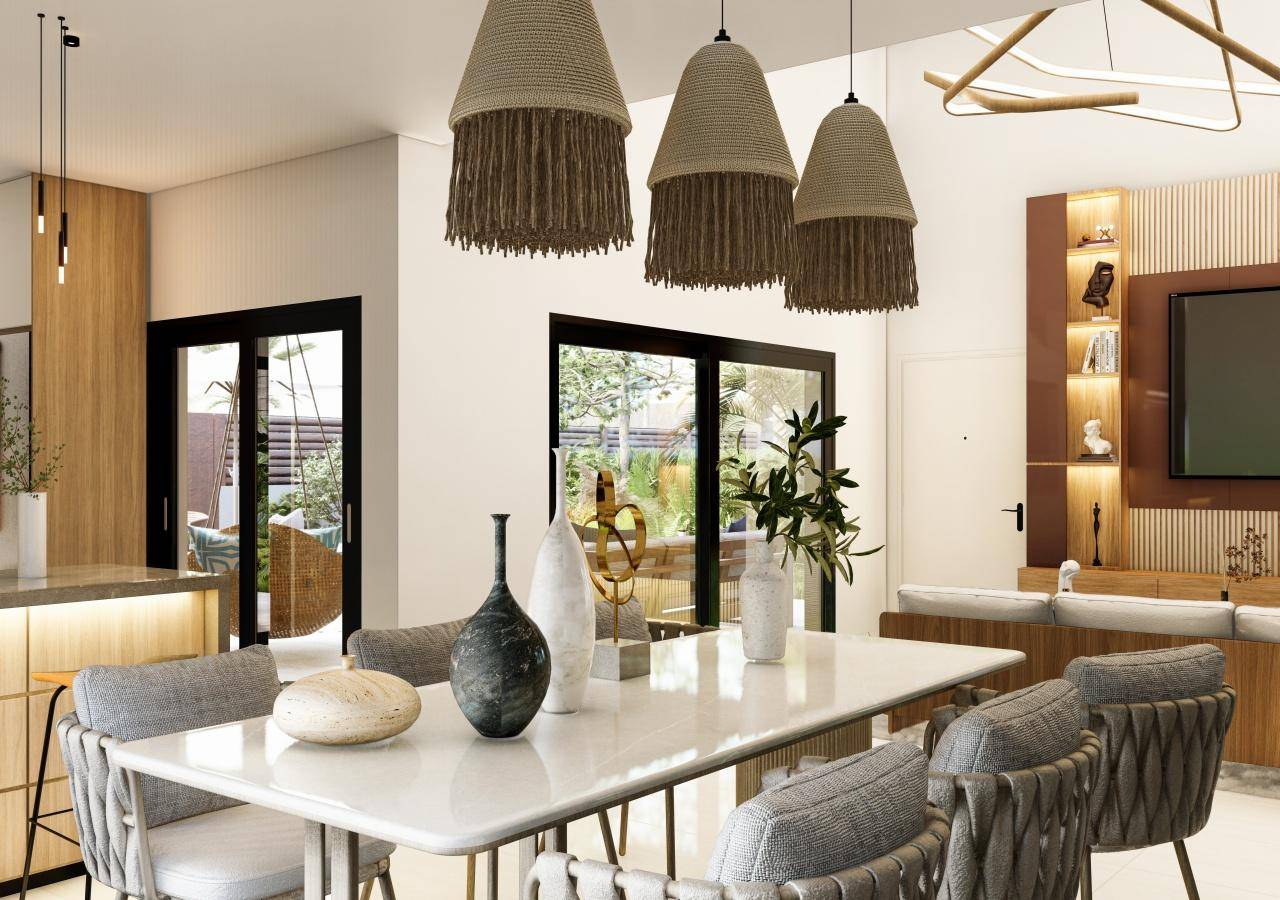
In this case, the property has to work as a home, not just look good in photos.
For mid- or long-term investment
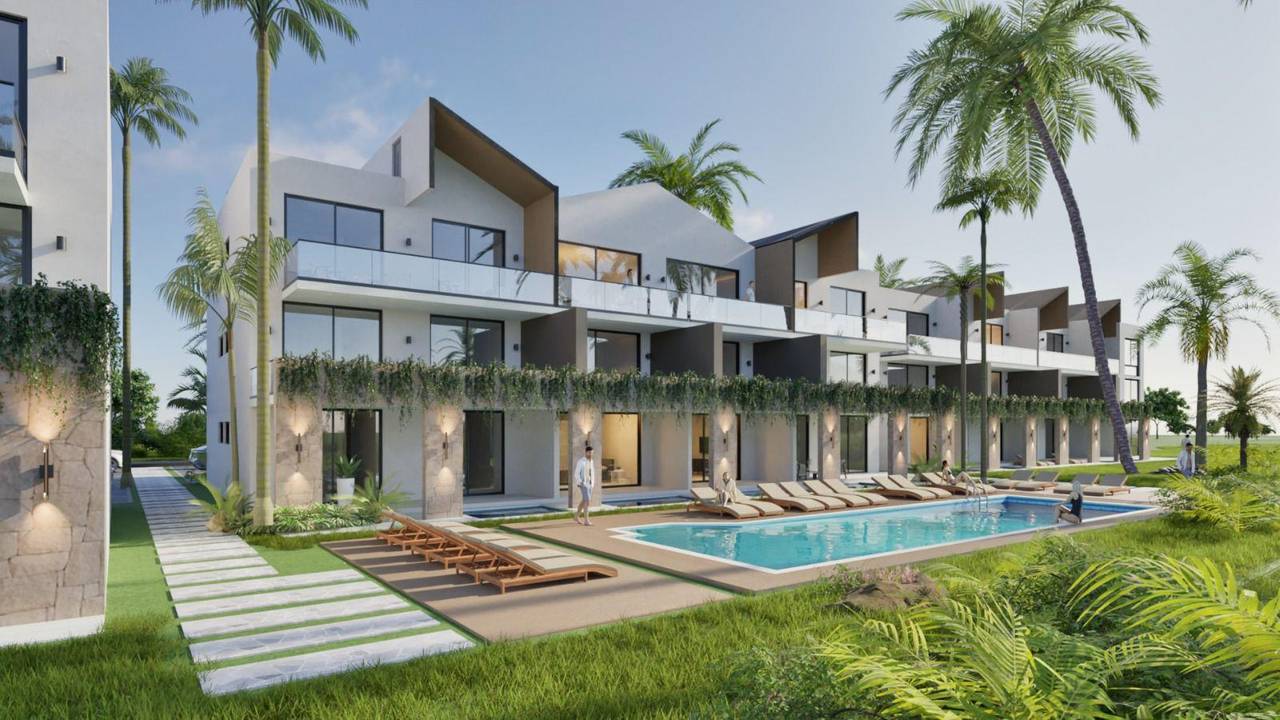
For buyers looking for appreciation, pre-construction projects can be appealing because they let you get in at an early stage and make payments during the construction period. However, it's essential to review the developer, their past projects, permits, legal structure and contract terms before committing.
Should you buy a finished property or pre-construction?
Both options can be good, but they serve different goals.
Finished property
- use it right away;
- start renting it out;
- see it in person before you buy;
- know the community's actual costs from day one.
Pre-construction property
- spread the down payment over several months or years;
- buy with a future delivery date in mind;
- get in at an early stage of the project;
- have time to arrange financing, furnishings or a future move.
Here, choosing the developer is just as important as choosing the property.
What is CONFOTUR, and why should you ask if a project has it?
Some approved tourism developments can qualify for the benefits of Law 158-01 on the Promotion of Tourism Development, commonly known as CONFOTUR. Depending on the project and the terms of its approval, these benefits may include property-related tax exemptions, including the transfer tax and the IPI property tax for the applicable period.
It's not enough for a listing to simply say "it has CONFOTUR." Before buying, it's a good idea to verify:
- that the project is approved;
- which benefits apply specifically to buyers;
- when the exemption period starts;
- how much time is left on those benefits.
What costs should you plan for beyond the purchase price?
One of the most common mistakes is budgeting only for the price of the property. You should also consider potential costs such as:
- the real estate transfer tax;
- legal fees;
- monthly HOA/maintenance fees;
- furniture and appliances when they're not included;
- insurance;
- rental management;
- financing-related costs, when applicable.
In a standard real estate purchase, the transfer tax is generally 3%, although some projects approved under CONFOTUR may be exempt. That's why I always recommend running the full numbers before you reserve.
Can a foreigner buy property in Punta Cana?
Yes. You don't need to be a Dominican citizen or have Dominican residency to buy property. Foreigners can buy real estate in the Dominican Republic under virtually the same conditions as a Dominican buyer.
What I do recommend, especially if you're buying from Canada, the United States or Europe, is working with an independent real estate attorney who reviews all the paperwork.
What your attorney should review before you buy
The review will differ depending on whether it's a resale or a new development. Among other documents and items, they can verify:
- ownership of the property or land;
- liens, mortgages or legal claims;
- the developer's corporate documents;
- the required permits;
- the purchase agreement;
- the delivery terms;
- penalties;
- the obligations of both parties;
- the tax and legal status related to the transaction.
Buying with legal guidance from the start can prevent much more expensive problems later on.
What should you analyze if you plan to rent the property?
I don't like recommending a property just because someone says it's "perfect for Airbnb." You have to run the numbers. Before buying, it helps to add up:
- the total purchase price;
- furnishings;
- maintenance;
- management;
- electricity and internet, when applicable;
- insurance;
- vacancy periods;
- other operating expenses.
Then you can compare that cost against a realistic income scenario. Returns should never be calculated using only the peak-season months.
So, what's the best area to invest in Punta Cana?
There's no single answer. The best area depends on the type of buyer and the goal for the property. Some people need to be close to restaurants and services. Others prefer master-planned residential communities. Some are looking for vacation rental income, and others want a place to retire to within five years.
That's why, before recommending a project, I like to know:
- Your budget.
- How many bedrooms you need.
- Whether you'll buy to live in, rent out or both.
- Whether you prefer a move-in-ready or pre-construction property.
- When you want to take delivery.
- Whether you need financing.
With those answers, we can quickly rule out the properties that aren't a fit for you.
Investing well doesn't just mean buying cheap
A good real estate purchase depends on price, but also on the project, the location within the community, the costs, the developer, the payment terms and the buyer's goals.
My job isn't to show you a hundred projects. It's to help you compare the options that actually make sense for you.

Thinking about buying in Punta Cana?
Send me a message with your approximate budget, the number of bedrooms, whether you want a move-in-ready or pre-construction property, and your goal for the purchase. From there, we'll review the available options and set up a call, video call or showing in Punta Cana.
Message us on WhatsAppThis material is for general informational purposes only and is not a substitute for independent legal, tax or financial advice. Tax benefits and project terms should be verified for each transaction.